
Handcrafted Paths from Mountain Dairies to Coastal Fisheries
Today we explore Artisan Foodways: From Mountain Dairies to Coastal Fisheries, following milk from wind-swept pastures and fish from salt-bright harbors into kitchens and markets. Expect hard-won techniques, generational stories, and practical ways to taste more honestly, shop more wisely, and celebrate the people behind every wheel, churn, net, and tide.
Milk on the Ridge: The Craft Behind Alpine Cheeses
In high meadows where bells ring before dawn, herders coax rich, floral milk from animals moving with the seasons. Copper vats hiss, wooden paddles turn, and curds knit slowly while weather scuds the roof. This is labor measured in patience and protein, where landscape, microflora, and hands converge to build flavors that carry whole summers.
Wild thyme, sweet clover, and alpine grasses steep into milk with every mouthful, shaping butterfat and protein like a cartographer shapes borders. Altitude tightens yields while rainfall paints sweetness. A grandmother here swears she tastes July storms in the cream, and guests nod, surprised yet convinced.
Calloused palms read curd like Braille, judging break and shine as precisely as any lab sheet. Ladles, cloth, and spruce molds carry quiet memory, seeding consistent texture. When the steam fogs the window, stories surface, and the vat becomes classroom, ledger, and crossroad together.
Caves breathe in rhythm with the valley, exhaling moisture and cool, inviting rinds to bloom. Affineurs flip wheels like librarians turning pages, listening for hollow thuds and sticky whispers. Weeks become months, salt migrates inward, and rain, stone, and wood write themselves into taste.

Salt, Wind, and Nets: Lives Along the Tideline
Small boats leave before sunrise, gulls stitching their paths across pewter water. Crews read chop and current the way cheesemakers read curd, matching gear to species, season, and ethics. Quotas, weather windows, and community rules steer decisions. A skipper laughs, then knocks wood, honoring luck, skill, and the unblinking ledger of the sea.
Choosing the Right Gear for the Catch
Hooks spare habitats that trawls might scar, while pots invite crabs yet let juveniles slip free. Mesh size matters like recipe ratios. Good crews tinker constantly, swapping knots and swivels, because the best landing is the one that still leaves tomorrow’s fish to swim.
Seasons Written by the Moon
Tides script calendars as firmly as any festival. Herring run like silver handwriting, then pause, and the shift to salmon redraws menus, payrolls, and sleep. Families plan school pickup and net mending around phases, laughing that the moon is the real manager in town.
Respecting Bycatch and the Future
On deck, restraint is courage. Letting a non-target species go, healthy and fast, protects margins better than any boastful haul. Innovating escape panels and weighted lines turns care into practice, and children watching from the pier see stewardship as the bravest kind of strength.
Fermentation Bridges: Cultures That Connect Peaks and Ports
From yogurts set near woodstoves to fish cured under careful salt, cultures—microbial and human—carry techniques across landscapes. Starters are heirlooms, jars murmuring on shelves like friendly neighbors. Time, temperature, and salt collaborate, transforming modest ingredients into foods that travel well, nourish deeply, and introduce strangers with a single, unforgettable bite.
Starters With Personality
Sourdough mothers, kefir grains, and whey backslopped from yesterday’s vat behave like opinionated cousins. Feed them right, and they reward with nuanced acids and delicate bubbles. Neglect them, and they sulk. Naming jars may seem silly, yet it builds habits that protect flavor and safety alike.
Salt As Compass
Measure by weight, not whim. Salt charts texture, extracts moisture, and reins in microbes that rush too fast. In mountain sheds and dockside sheds alike, the same handful pinches memory into muscle. An elder’s palm equals roughly a tablespoon; record yours and keep tasting forward.
Smoke, Sun, and Cellars
Birch smoke kisses curds; alder smoke steadies mackerel. Sun dries fillets when humidity behaves, while cellars cradle wheels when storms roll through. Choosing the right shelter for time’s work matters as much as seasoning, turning preservation into a map from weather to wonder.
Paths to Market: From Barn Doors and Harbors to Your Plate
Distribution is choreography. Milk needs quick, clean cooling; fish needs ice and air flow that does not drown scent. Traceability tags and honest labeling preserve origin stories. Farmers’ markets, dock sales, and subscription shares shorten miles, improve margins, and let you shake the hands shaping tonight’s meal.
Look for named boats, specific coves, and listed species rather than umbrella terms. On dairy, seek raw versus pasteurized notes, aging time, and animal breed. Precision honors labor and terroir, helps avoid greenwashing, and turns your shopping list into a tiny, satisfying act of advocacy.
Ice is friend, not flavor. Pack fish so meltwater drains; keep cheeses cool yet breathing. Hard rinds can handle lower temps than soft, brie-like textures. A picnic cooler with frozen bottles works beautifully for markets, saving money, product integrity, and the ride home’s good mood.
Say hello. Ask how the week went, what the weather changed, and which batch makes their eyes light up. You will leave with better choices and, often, tiny extras: a rind nibble, recipe tip, or name to remember when storms test livelihoods.
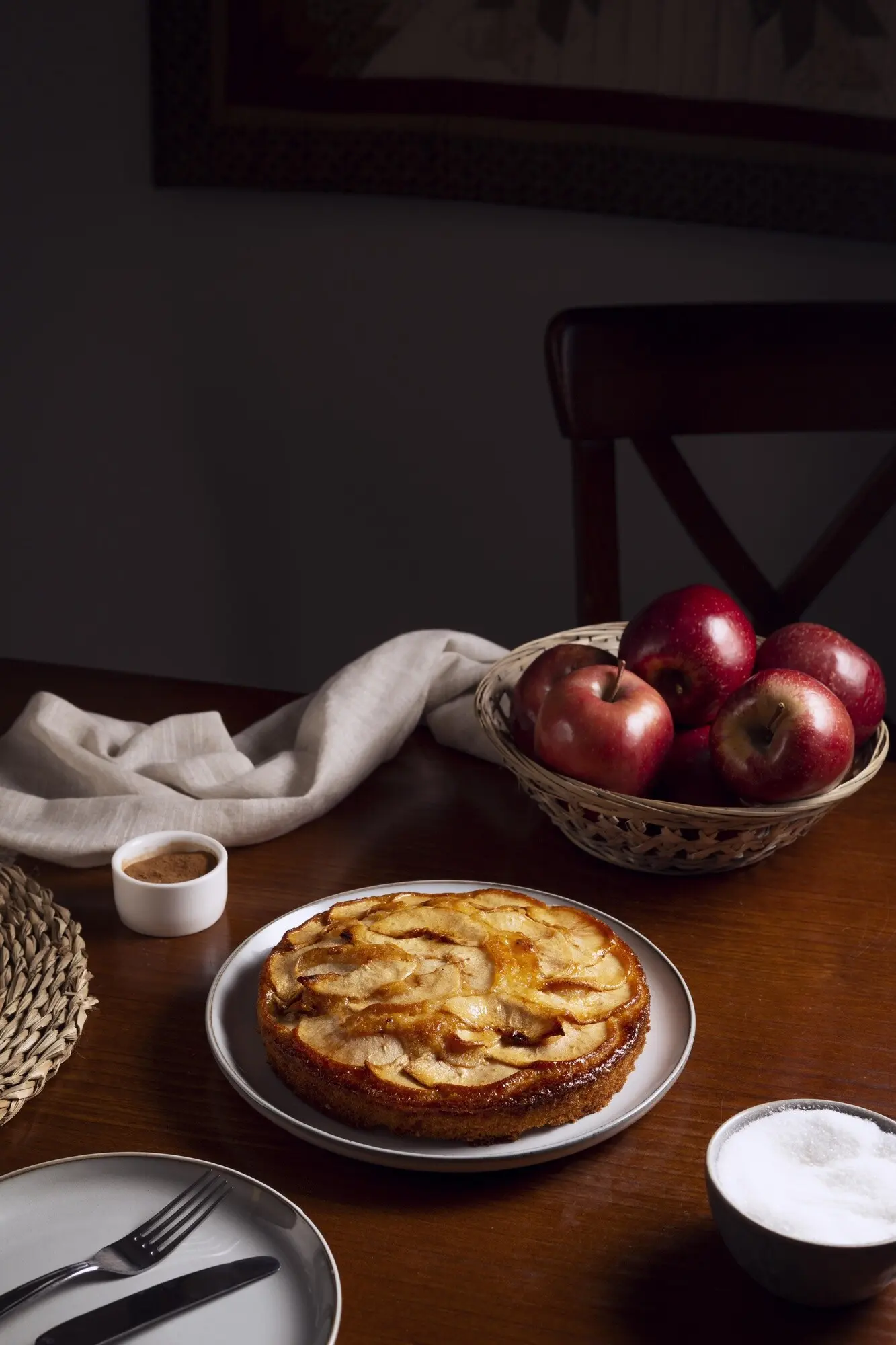
Broth Enriched with Rinds
Save hard rinds in the freezer. Simmer them with onion trimmings, fennel stalks, and a splash of white wine, then strain to create a savory base that deepens seafood soups without heaviness. It is thrifty, delicious, and a quiet homage to resourceful makers.
Cultured Cream Meets River and Sea
Whisk cultured cream with grated horseradish, lemon zest, and chopped dill. Dollop over hot-smoked salmon or brown-butter trout. The tang lifts richness while herbs echo riverbanks. Leftovers spread happily on bread, persuading even skeptics that microbes can be generous kitchen collaborators and cheerleaders.
Crisp, Acid, Fat: Balancing Plates
Keep textures lively. Sear fish until edges singe, add a squeeze of pickled green strawberries or cider vinegar, then tuck shaved alpine cheese or buttered crumbs on top. Bitter greens clear the palate, and a crunchy heel of bread sops stories from the pan.
Stewardship and Belonging: How to Support the Hands That Feed
Joining a Herd or a Crew, Virtually
Follow producers on social channels where calving, bottling, launching, and landings unfold in real time. Share posts, write reviews, and ask informed questions. That added visibility smooths lean weeks, counters rumor with nuance, and helps resilient, skillful people remain visible beyond peak tourist seasons.
Voting with Markets and Voices
Seek policies that protect small processors, clean water, and working waterfronts. Support co-ops and grazing easements. Bring friends to markets, not just followers to photos. Collective attention turns into better infrastructure and pricing, which, in turn, turns into a next generation willing to learn hard, beautiful work.
Learning, Sharing, Returning
Cook a neighbor’s recipe, trade a jar of pickled herring for a wedge, and volunteer at a festival that keeps knowledge alive. Post your results here, ask for tips, and return with updates. Practice becomes tradition when many hands repeat care together, season after season.